




Estrogen and Urinary Health
TL;DR
Estrogen supports the health of the vagina, urethra, bladder lining, and pelvic floor. When estrogen drops during perimenopause/menopause, many people develop urinary symptoms that fall under genitourinary syndrome of menopause (GSM)—including urgency, frequency, nocturia (nighttime peeing), recurrent UTIs, and urinary incontinence.
Urinary symptoms are treatable. First-line steps often include pelvic floor therapy, bladder training, and trigger management (especially caffeine). For GSM-related symptoms, vaginal (local) estrogen can improve urgency/frequency in many postmenopausal patients, while systemic hormone therapy is not a treatment for incontinence and may worsen it.
Key terms
- Estrogen: hormone that influences reproductive tissues and the lower urinary tract.
- Genitourinary Syndrome of Menopause (GSM): vaginal/vulvar + urinary symptoms linked to low estrogen; tends to worsen without treatment.
- Stress incontinence: leakage with cough/sneeze/laugh/exercise.
- Urge incontinence / Over active bladder: sudden urgency ± leakage, often with frequency/nocturia.
- Nocturia: waking at night to urinate.
Bladder and urinary symptoms commonly associated with low estrogen
When estrogen declines (especially around menopause), some people notice:
- urinary frequency (peeing often)
- urgency (sudden “I have to go now”)
- nocturia
- recurrent UTIs
- pain/burning with urination (sometimes)
- incomplete emptying sensations
- urinary incontinence (stress, urge, or mixed)
Important: these symptoms can also come from UTIs, diabetes, neurologic conditions, pelvic floor dysfunction, medications, or bladder disorders, so evaluation matters.
How estrogen affects the bladder, urethra, and pelvic floor
Estrogen helps maintain:
- Tissue health and resilience in the vagina/urethra (thin, irritated tissues are more sensitive and reactive)
- Pelvic floor support, which stabilizes the bladder and urethra
- Urinary tract environment, which can influence UTI risk (a key GSM concern)
In menopause-related GSM, these changes can contribute to urgency, frequency, UTIs, and leakage.
Types of incontinence most often linked to low estrogen
1) Stress incontinence
What it feels like: leakage with coughing, sneezing, laughing, lifting, or exercise.
Common driver: weakened pelvic floor support.
2) Urge incontinence (often overlaps with over active bladder)
What it feels like: sudden urgent need to urinate that’s hard to delay, sometimes with leakage.
Common driver: an overactive bladder muscle and heightened bladder sensitivity. Vaginal estrogen has been associated with improvement in OAB-type symptoms in postmenopausal women.
“What should I do if I have these symptoms?”
Step 1: Rule out red flags (seek prompt care)
Contact a clinician quickly if you have:
- fever, flank/back pain, blood in urine
- painful urination + new odor/cloudiness (possible UTI)
- inability to urinate or severe difficulty emptying
- rapidly worsening symptoms
Step 2: Identify your pattern (helps pick the right treatment)
- leaks with movement/pressure → stress pattern
- urgency/frequency/nocturia → urge/over active bladder pattern
- both → mixed pattern
Step 3: Start with high-yield, low-risk strategies
- Pelvic floor physical therapy (especially for stress or mixed symptoms)
- Bladder training (scheduled voiding + gradual delay)
- Caffeine reduction if urgency/frequency is a major issue (evidence supports benefit for over active bladder symptoms in many patients).
- Address constipation, fluid “chugging,” and timing of bathroom trips
Treatment options that target low-estrogen urinary symptoms
A) Vaginal (local) estrogen therapy
For postmenopausal GSM symptoms, local estrogen is commonly used and has evidence supporting improvement in urgency/frequency/over active bladder-type symptoms for many women.
Local therapy is different from systemic hormone therapy—your clinician can help decide what’s appropriate for your health history.
B) Systemic hormone therapy (HRT) is not an incontinence treatment
Large trials and reviews have found systemic oral hormone therapy can increase the risk of developing urinary incontinence or worsen existing incontinence, so it’s generally not used to treat incontinence.
C) Pelvic floor strengthening
- Kegels (best with correct technique; many people benefit from coaching)
- Strength moves that support pelvic/core function (as cleared by a clinician/PT)
D) Bladder training + behavioral strategies
- scheduled toileting
- urge-suppression techniques (breathing, distraction)
- gradually increasing time between bathroom trips
E) Medications and procedures (when needed)
For persistent urge/over active bladder symptoms, clinicians may consider over active bladder medications and other therapies; for severe stress incontinence, procedural options may be considered. (These are individualized decisions.)
Daily management tools (comfort + confidence)
These don’t treat the underlying cause, but they can make life easier while you work on recovery:
- Absorbent underwear or liners for light leaks
- Underpads for bed/chair protection
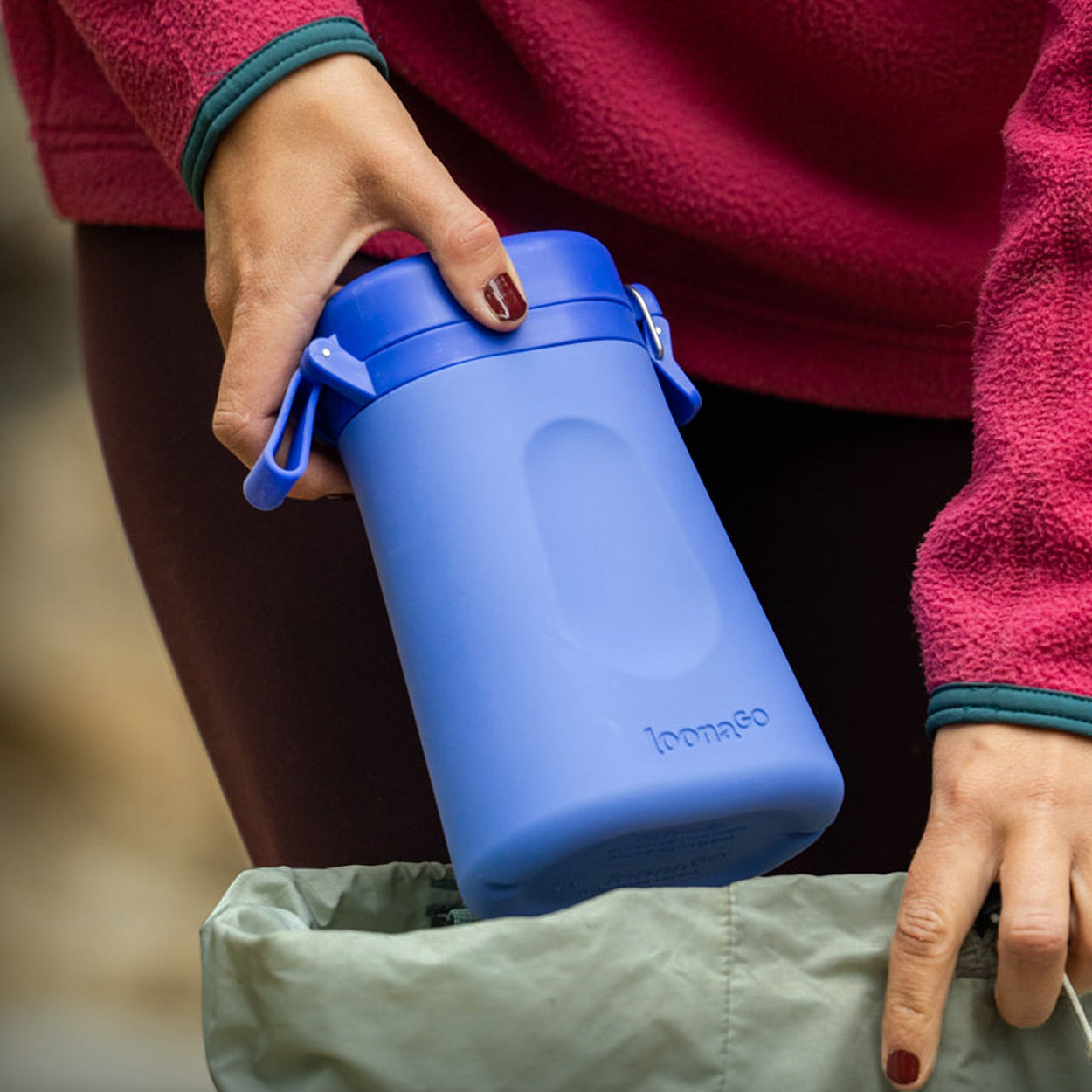
- Portable urinal for urgency/nocturia or limited mobility
Key takeaways
- Low estrogen during menopause is linked to urinary symptoms commonly grouped under GSM, including urgency, frequency, recurrent UTIs, nocturia, and incontinence.
- Local vaginal estrogen may help GSM-related urinary symptoms (including over active bladder-type urgency/frequency) in many postmenopausal patients.
- Systemic hormone therapy is not a treatment for incontinence and may worsen it.
- The most effective plans are usually pattern-based (stress vs urge vs mixed) and often include pelvic floor therapy + bladder training + trigger management.
FAQs
Is low estrogen always the cause of urinary symptoms?
No. Urinary symptoms can come from infections, medications, pelvic floor dysfunction, neurologic conditions, and more. A clinician can help identify the cause.
Does vaginal estrogen help bladder symptoms?
It can for many postmenopausal patients, particularly when symptoms are part of GSM/over active bladder.
Does systemic HRT improve incontinence?
Generally, no—evidence shows systemic hormone therapy can worsen or increase urinary incontinence risk.
What lifestyle change is most worth trying first?
If urgency/frequency is a big issue, reducing caffeine is a common first experiment with supportive evidence for over active bladder symptom improvement.
