




Caregiver Essentials Checklist for Home Care: What to Stock for Safe, Dignified At-Home Care
TL;DR
A good home-care setup covers six areas: home safety, medical monitoring, hygiene + toileting, nutrition + hydration, emotional support, and caregiver organization. This checklist helps caregivers create a safer home, reduce stress, and protect a loved one’s comfort and dignity.
Quick Checklist
Home Safety & Accessibility
- Clear walkways (remove clutter, secure rugs)
- Non-slip mats + grab bars (bathroom/bedside)
- Night lights or motion-sensor lighting
- Fall-prevention supports (bed rails, ramps, support poles)
Medical & Health Monitoring
- Weekly pill organizer + medication schedule
- Medication list (dose, timing, side effects)
- Thermometer, blood pressure monitor, pulse oximeter
- Gloves, wound-care basics, disposable underpads, first-aid kit
Personal Care & Hygiene
- Shower chair or transfer bench + handheld showerhead
- Incontinence briefs, bed pads, barrier cream, cleansing wipes
- Toileting options (bedside commode, portable urinal)
- Grooming supplies (toothbrush, hairbrush, nail clippers, razor)
Nutrition & Hydration
- Meal plan tailored to dietary needs
- Adaptive tools (easy-grip utensils, non-slip plates, lidded cups)
- Water stations + hydration tracking (as needed)
Emotional Support & Mental Wellness
- Predictable daily routine
- Social contact (visits, calls, video chats)
- Cognitive activities (music, audiobooks, puzzles, hobbies)
Caregiver Organization
- Daily care log (symptoms, meds, meals, sleep, mood, bowel movements)
- Posted emergency contacts (doctors, pharmacy, family)
- “Go bag” for emergencies (meds, insurance card, ID, essentials)
Why This Checklist Matters
Caring for someone at home is both compassionate and demanding. The right supplies and systems can:
- reduce falls and prevent avoidable injuries
- support better health monitoring and medication adherence
- maintain hygiene, privacy, and dignity
- lower caregiver stress by simplifying routines and documentation
Home Safety and Accessibility
Clear Pathways
Remove clutter, secure loose rugs, and rearrange furniture so pathways are wide and predictable. This is especially important for anyone using a cane, walker, or wheelchair.
Non-Slip Surfaces and Grab Bars
Add non-slip mats in the shower and bathroom, and install grab bars near toilets and tubs. These are common fall-risk areas.
Adequate Lighting
Use night lights or motion-sensor lights in hallways, bedrooms, and bathrooms to prevent nighttime falls and confusion.
Fall Prevention Tools
Consider tools based on mobility needs:
- bedside rails
- low-threshold ramps
- floor-to-ceiling support poles
- stable seating at key points (entryway, bathroom)
Medical and Health Monitoring
Medication Organizer and Schedule
A weekly pill organizer plus reminders (alarms or a calendar) helps prevent missed or duplicated doses. Keep a written medication list that includes:
- medication name
- dose and timing
- prescribing clinician
- known side effects or reactions
- pharmacy contact
Vital Sign Tools
Common at-home monitoring tools:
- digital thermometer
- blood pressure monitor
- pulse oximeter
Regular tracking can help catch issues early and provide better information for clinicians.
Core Medical Supplies
Stock basics for common needs:
- disposable gloves
- wound-care supplies (gauze, tape, antiseptic wipes)
- disposable underpads
- a first aid kit
Personal Care, Hygiene, and Toileting
Bathing Aids
Bathing becomes safer and easier with:
- shower chair or transfer bench
- handheld showerhead
- non-slip mats
Incontinence Care
Helpful items for comfort and skin protection:
- incontinence briefs
- bed pads/underpads
- barrier creams
- cleansing wipes
These reduce rashes, protect bedding, and simplify cleanup.
Toileting Solutions
For mobility limits, nighttime needs, or post-surgical recovery, consider:
- bedside commode
- portable urinal
- absorbent underpads for bed or chair
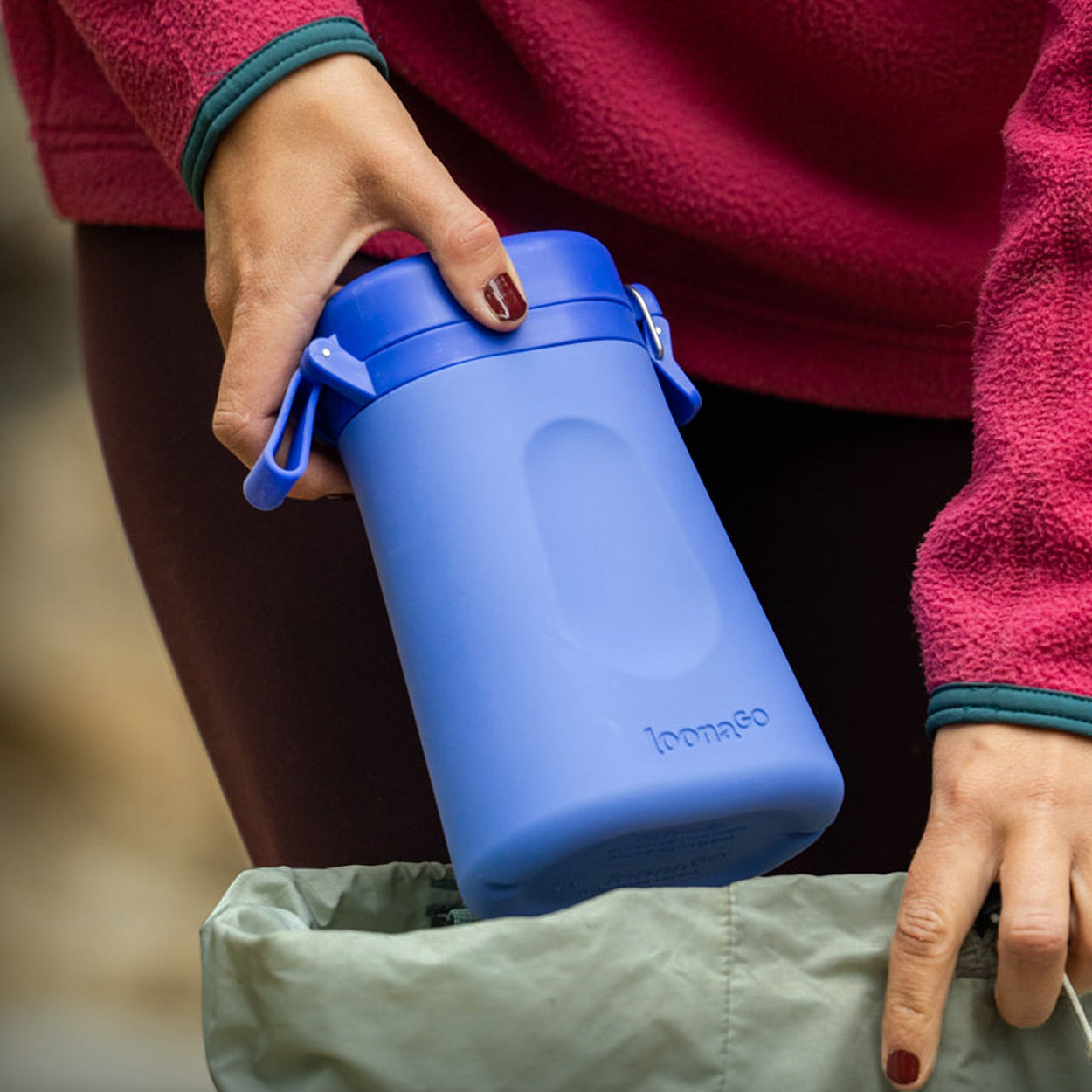
Product note: Boom Home Medical’s Loona and Tanker portable urinals are discreet, leak-resistant, and easy to clean, designed to support privacy and comfort.
Grooming Tools
Keep daily grooming simple and accessible:
- toothbrush/toothpaste
- hairbrush/comb
- nail clippers
- electric razor (if preferred)
Small routines can support dignity and emotional well-being.
Nutrition and Hydration
Meal Planning and Preparation
Plan meals around medical or recovery needs (examples: soft foods after dental work, higher protein for healing, low sodium for certain conditions). Batch cooking reduces daily caregiver load.
Adaptive Eating Tools
To support independence:
- easy-grip utensils
- non-slip plates or plate guards
- cups with lids or straws (if appropriate)
Hydration Reminders
Hydration can be overlooked, especially for older adults. Place water in easy-to-reach locations and track intake when dehydration risk is higher (warm weather, illness, post-surgery).
Emotional Support and Mental Wellness
Structure and Routine
A predictable schedule for meals, hygiene, medication, and rest reduces anxiety. Routine can be especially helpful for people with dementia or memory challenges.
Social Engagement
Isolation can worsen mood and health outcomes. Options include:
- scheduled calls/video chats
- short, regular visits from family or friends
- community resources (where available)
- pet interaction or animal visits (if appropriate)
Cognitive Stimulation
Match activities to interest and ability:
- music playlists
- audiobooks
- simple puzzles
- memory games
- familiar hobbies
Caregiver Tools and Organization
Daily Care Log
Track what matters for continuity of care, especially with multiple caregivers:
- medication timing
- meals and hydration
- sleep patterns
- mood/behavior changes
- bowel movements
- pain, swelling, or symptoms
Emergency Contact List
Post (and share digitally) key information:
- primary care doctor and specialists
- pharmacy
- nearby urgent care
- family contacts
- insurance info
Emergency Preparedness (“Go Bag”)
Keep a small bag ready with:
- current medications (or an up-to-date list)
- ID and insurance cards
- basic hygiene items
- phone charger
- key medical documents (if relevant)
Optional Items That Often Help
- compression socks (for swelling risk or limited mobility)
- mobility aids (walker, cane, wheelchair as appropriate)
- privacy screens (bathing/changing)
- PPE (gloves, masks, sanitizer when needed)
Where to Get Caregiver Essentials
Boom Home Medical describes its caregiver essentials collection as focused on dignity, comfort, and practical at-home caregiving, including:
- reusable portable urinals
- incontinence supplies
- bedside care accessories
- post-surgical recovery aids
Final Thoughts
Caregiving is challenging—and also deeply meaningful. A well-prepared home setup reduces preventable problems, supports dignity, and makes daily care more manageable. Use this checklist as a starting point, adjust it to your loved one’s needs, and remember: asking for help is part of good caregiving.
