


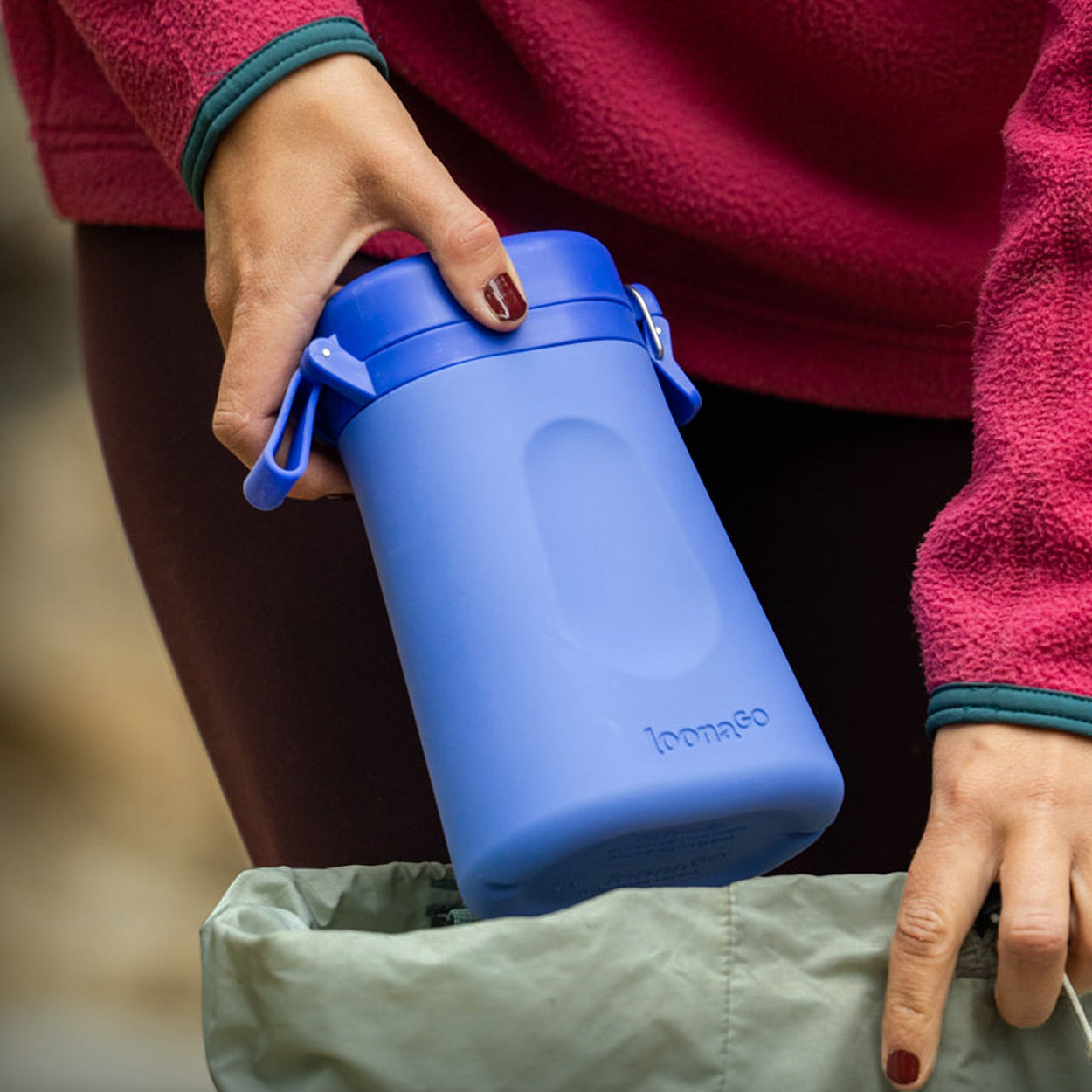


Portable Urinals: 20 Real-World Situations Where One Can Save the Day
Bladders sometimes seem to have a mind of their own. One minute you’re fine, and the next you’re hit with an urgent, can’t-wait need to pee—often when a restroom is unavailable, far away, or too crowded.
A portable urinal (also called a travel urinal, handheld urinal, urinal bottle, or emergency urinal) gives you a safe, hygienic, and discreet way to urinate when you can’t access a toilet quickly. It can reduce stress, prevent accidents, and help you stay comfortable—at home, on the road, outdoors, and during emergencies.
TL;DR:
- A portable urinal is a leak-resistant container designed for urinating without a toilet nearby.
- Useful for travel, outdoor activities, mobility limitations, caregiving, and emergency preparedness.
- Look for leakproof closure, wide opening/splash guard, adequate capacity, easy cleaning, and unisex compatibility if needed.
What is a portable urinal?
A portable urinal is a purpose-built container (often with a wide opening and secure cap) that lets a person urinate into it safely when a bathroom isn’t accessible. Some models are designed specifically for men, others for women, and many can be unisex with an adapter/funnel.
Why people keep a portable urinal handy
- Immediate relief when restrooms aren’t available
- Fewer accidents (especially with kids, older adults, or long drives)
- More comfort and control during travel and outdoor activities
- Better hygiene than improvising with random containers
- Less risk of falls for people with mobility challenges (especially at night)
20 situations where a portable urinal is genuinely useful
1) Camping
Staying warm and dry matters—especially at night or in bad weather. A portable urinal can save you from stumbling outside your tent in the cold, rain, or wind.
2) Road trips
Instead of hunting for a rest stop, you can pull over safely, stay discreet, and keep your trip moving.
3) Long-haul trucking
For drivers, time and access are everything. A portable urinal can help manage urgent needs when clean facilities aren’t nearby.
4) Hiking and backpacking
In rough terrain or heavy rain, stepping off-trail to find a spot can be inconvenient or unsafe. A portable urinal is lightweight, packable, and keeps things simpler.
5) Boating and fishing trips
No bathroom onboard? A portable urinal offers a cleaner, less awkward option than trying to manage over open water.
6) Earthquakes, hurricanes, and other disasters
Plumbing can fail and restrooms can become inaccessible. A portable urinal is a practical addition to emergency supplies when normal systems are disrupted.
7) Music festivals and outdoor events
Long lines, dirty portable toilets, and limited supplies are common. A portable urinal can help you avoid missing the moments you came for.
8) Post-surgery recovery
When getting out of bed is painful or slow, a bedside urinal can reduce strain and make recovery a little easier.
9) Older adults and mobility limitations
Quick bathroom access isn’t always possible—especially at night. Keeping a portable urinal nearby can reduce urgency-related accidents and fall risk.
10) Tiny houses and off-grid cabins
If your bathroom is outdoors, limited, or nontraditional, a portable urinal can be a convenient backup for nighttime or bad-weather situations.
11) Emergency kits (home + car)
Power outage, road closure, evacuation, or extreme weather—having a portable urinal in your kit is a low-cost, high-use preparedness item.
12) Traveling with small children
Kids often announce bathroom needs at the last possible second. A portable urinal can reduce panic, mess, and tears during errands and travel.
13) Construction sites and outdoor work
When toilets are far away (or hard to access), a portable urinal can help workers stay productive and avoid unsafe rushes.
14) Traffic jams and road closures
Being stuck in standstill traffic while urgently needing to pee is miserable. A portable urinal can turn a worst-case moment into a manageable one.
15) Running errands
Coffee + errands = surprise urgency. Keeping a portable urinal in the car can make busy days less stressful.
16) Theme parks, fairs, and crowded venues
Bathrooms can be far, lines can be long, and leaving your group can be a hassle. A portable urinal can be a practical backup for urgent situations.
17) Long waits in public transit or commuting
Train delays, bus reroutes, and long commutes happen. If a restroom isn’t available when you need it, having a travel urinal can help.
18) Shared bathrooms at home (or in hotels)
When the bathroom is occupied and urgency hits, a portable urinal can prevent accidents—especially for kids, older adults, or anyone recovering from illness.
19) Caregiving (at home or on the go)
Caregivers often need fast, safe bathroom solutions for the person they’re helping—especially during transfers, travel, or limited mobility.
20) Medical conditions that increase urgency
Some people experience frequent or urgent urination. A portable urinal can be a practical tool for confidence during travel or long outings (and can complement a care plan from a clinician).
How to choose a portable urinal (quick buyer’s guide)
When shopping, these features matter most:
- Leakproof cap or valve: prevents spills in a bag or car
- Wide opening + splash guard: easier, cleaner use
- Capacity: common sizes range from ~500 mL to 1,000 mL+
- Unisex compatibility: look for a female adapter/funnel if needed
- Easy cleaning: smooth interior, durable material, minimal seams
- Odor control: optional deodorizing tablets or built-in sealing features
- Discreet storage: a carry pouch can help with privacy and convenience
How to use a portable urinal hygienically
1. Choose a private, stable spot (car pulled over safely, behind a privacy cover, etc.).
2. Open and position securely (use adapter/funnel if applicable).
3. Use slowly to avoid splashing, especially with smaller openings.
4. Seal immediately after use.
5. Store upright in a pouch or sealed bag until you can empty/clean it.
Cleaning and maintenance basics
- Empty as soon as practical into a toilet.
- Rinse with warm water + mild soap.
- Let it air dry fully before storing.
- If the product supports it, occasional sanitizing can help (follow the manufacturer’s instructions).
FAQs
Can you reuse a portable urinal?
Most reusable models are designed to be cleaned and reused. Follow the product’s cleaning instructions.
Are portable urinals leakproof?
Many are leak-resistant or leakproof when sealed correctly. Look for secure caps/valves and store upright when possible.
Is there a portable urinal for women?
Yes—many options are made for women, and some unisex designs include a funnel/adapter.
How big should it be?
For adults, 700–1,000 mL is a common “safer” capacity for travel. Smaller can work for kids or short outings.
Can I keep one in my car?
Yes. Store it sealed, ideally in a pouch or secondary bag, and keep it out of direct heat when possible.
Does it smell?
A sealed container helps. Odor control features or deodorizing tablets can reduce smell, and prompt cleaning matters.
Is it sanitary?
A purpose-built portable urinal is typically more hygienic than improvising with random containers, especially when cleaned properly.
Can it help after surgery?
Often, yes—many people use bedside urinals during recovery. For medical situations, follow clinician guidance.
What’s the difference between a “pee bottle” and a portable urinal?
Portable urinals usually have a wider opening, splash guard, and better seal, making them safer and easier to use.
Do I need a disposable one?
Disposable models are convenient for emergencies and travel; reusable models are better for regular use and long-term value.
Final thoughts
Life is unpredictable, but bathroom access doesn’t have to be. A portable urinal is a simple tool that can help with travel, outdoor adventures, mobility challenges, caregiving, and emergency preparedness—giving you comfort and control when you need it most.
